

Angelic Messages, Astrology, Wheel of the Year
March 2026 – End the Conflict
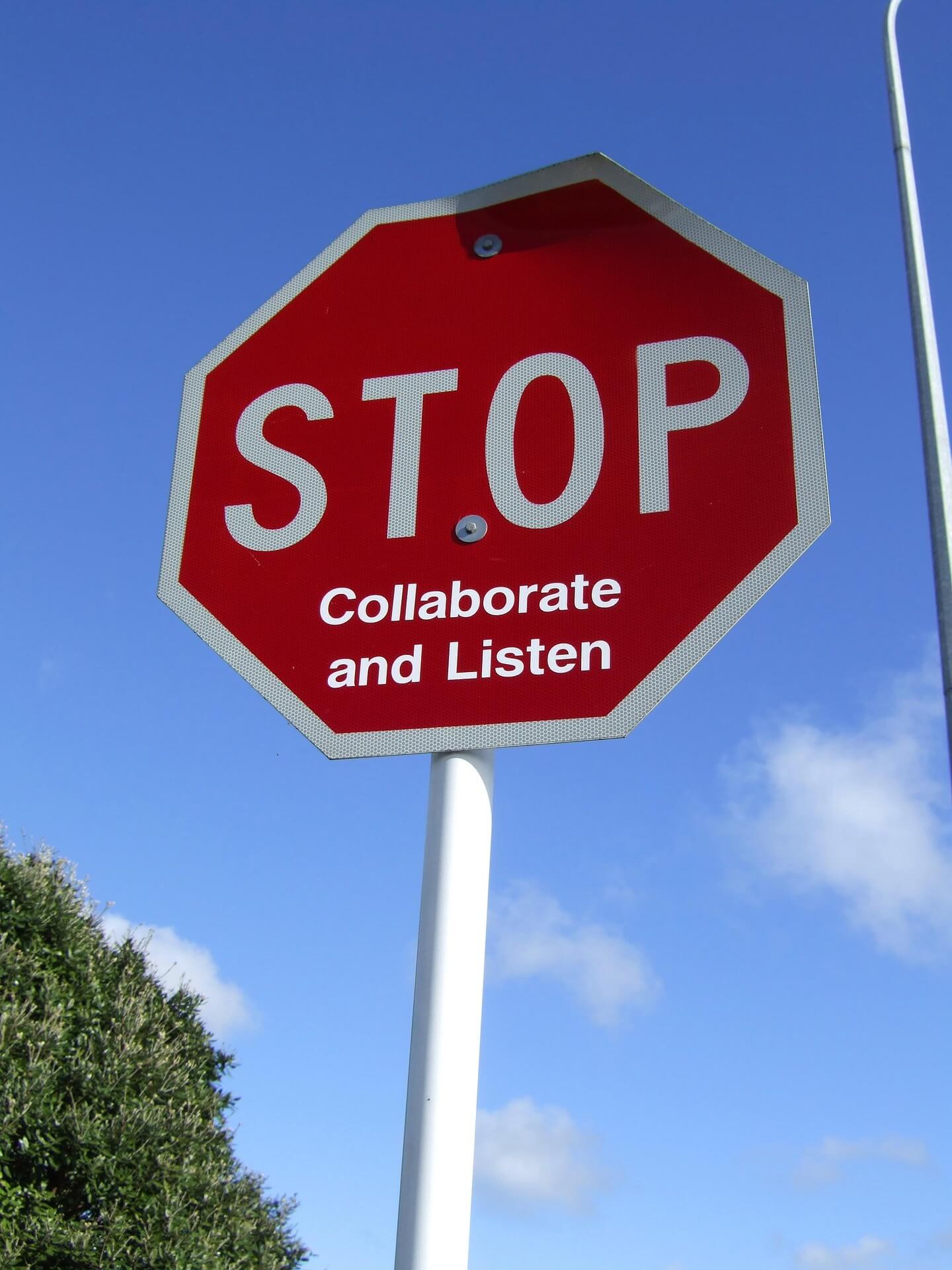
March’s message is that it’s time to stop the conflict, both the internal and the external conflict.
It’s time to lay down the sword and work together with discernment and compassion.
Astrologically, March’s full moon, called the Worm Moon, occurs on Tuesday, 3rd March. This means that in the Northern Hemisphere, Spring is springing and the worms are starting to emerge from the warming soil.
Also on Tuesday 3rd of March, those living in North America, South America, Australia and East Asia will witness a lunar eclipse, when the Earth comes between the sun and the moon, and casts its shadow on the moon, turning it red.

Worm Moon

Lunar Eclipse
And if we look to the Wheel of the Year, the 21st March is the time to celebrate either the Spring Equinox in the Northern Hemisphere or the Autumn Equinox in the Southern Hemisphere.
This is a time to focus on bringing balance into our lives, as the days and nights become of equal length.

Spring Equinox

Autumn Equinox
Let’s talk about conflict.
Conflict isn’t fun! It makes our hearts beat faster and our muscles tense. It affects our digestion and exhausts us.
Conflict can be divided into inner conflict and outer conflict.
- Inner conflict includes anxiety, depression, fear, anger, rage, guilt, shame, a feeling of helplessness, and the feeling of panic – of not being in control.

- Outer conflict includes war, but it also includes the need to defend oneself from a perceived attacker, the need to prove “I’m right, you’re wrong”.

All conflict induces stress in the body and in the mind. It creates a fight-flight-fawn-freeze response. This moves us from a place of contentment to a place of survival. It means we find it hard to be happy or find peace, love and joy in the world.
Conflict can cause us to feel like a victim (this is happening to me), to complain, to explain, and to argue. Unfortunately, most of the time these responses don’t work, and in fact make the conflict worse.
How do we resolve conflict?
According to Harvard’s Program of Negotiation (from Harvard Law School), there are 5 ways to manage and reduce conflict. These include:
- Recognise that fairness looks different to everyone.
Both sides believe they are right, so using clear and calm communication is KEY to resolving conflict. This also means taking the time to really listen to the other person’s viewpoint.
2. Avoid escalation and threats, so manage your emotions.
“If you don’t do this, I’ll do that” People tend to mirror behaviour, so if you threaten someone with some action, then they’ll feel that they can do the same, or worse.
3. Stop using “Us and Them” thinking
Group thinking is powerful. So rather than focusing on what separates us, find what connects us. What makes us the same? What common interests do we have?
4. Look below the surface.
Most conflicts tend to be about money, resources, a loss of trust, feeling unheard, feeling disrespected, or feeling overlooked or ignored. Therefore, resolving conflict is about rebuilding broken bonds and showing empathy towards the other person.
5. Separate the ‘sacred’ from the ‘pseudo-sacred’.
Religious beliefs are the leading cause of conflict in the world. Other contentious issues include family or cultural traditions and expectations. It is okay to be assertive and to set boundaries when it comes to what others expect from you.
The key question is, how do you feel in your heart? What is important to you? This is not selfishness, but rather honours your own worthiness.
It’s time to lay down the sword of conflict and reach out to each other in peace, love and harmony.
Bright blessings /|
Lee-Anne x 
